
Tech
Inkredible footage of squids launched into space



Instead of Monkey’s or even dogs, SpaceX sent some interesting organisms to the international space station.
Space X launched its 22nd cargo mission to today, have a look at this take off.
Tucked inside the Dragon cargo capsule are 5000 tardigrades, also known as water bears, and 128 baby glow-in-the-dark bobtail squid.
Immature bobtail squid (also known by their scientific name Euprymna scolopes) are aboard the mission as part of a NASA experiment dubbed “UMAMI,” which is short for “Understanding of Microgravity on Animal-Microbe Interactions.”
These creatures will be traveling to the orbital outpost to help researchers answer some key questions about spaceflight.
“Such knowledge could help identify ways to protect and enhance these relationships for better human health and well-being on Earth as well,”
NASA said in a statement.
Scientists say they can tolerate environments more extreme than most other animals, making them the perfect organisms to study under extreme conditions in space.

“Animals, including humans, rely on our microbes to maintain a healthy digestive and immune system,” UMAMI principal investigator Jamie Foster said in a statement.
“We do not fully understand how spaceflight alters these beneficial interactions,” Foster said.
“The UMAMI experiment uses a glow-in-the-dark bobtail squid to address these important issues in animal health.”


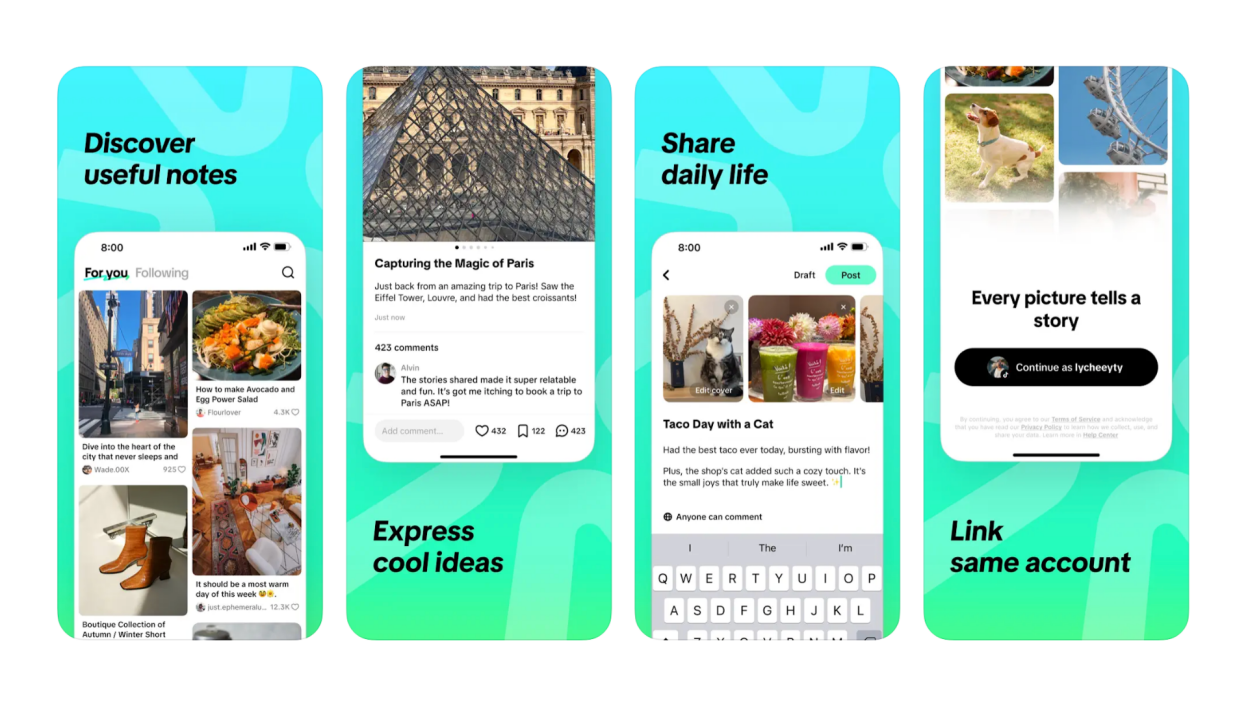
TikTok Notes has launched in Australia & Canada as a formidable competitor to Instagram, offering a unique platform for content creation, text and sharing.

“TikTok Notes is a lifestyle platform that offers informative photo-text content about people’s lives, where you can see individuals sharing their travel tips and daily recipes,” reads the official App Store description.
Take note
The app allows users to create content by combining short videos with text-based notes, closely resembling that of Meta’s Instagram.
Whether it’s sharing a quick tutorial, a personal anecdote, or a thought-provoking message, TikTok Notes is positioned to be a formidable social media platform.
Currently, the app is only available for download and “limited testing” in Australia and Canada.
As it gains momentum, the platform is poised to contest Instagram’s established reign in the social media landscape.


Is EOFY worth the hype?

Discount offering: cheap or strategic?


