
News
Economist: Australian lockdowns similar to “Communist Russia”



How do you think the Australian government has managed lockdowns?
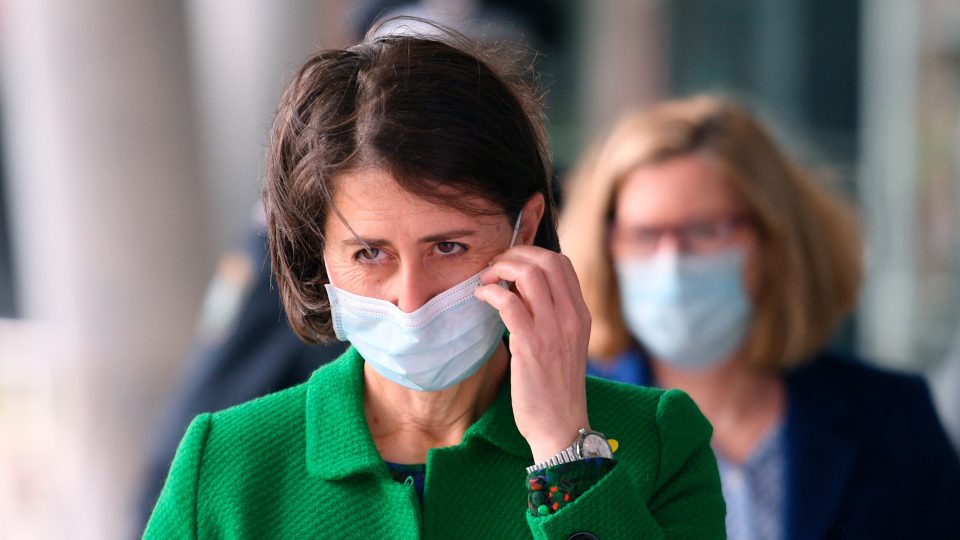
When it comes to critics of Australian Covid-19 lockdowns, they don’t come much more fierce than Professor Gigi Foster, School of Economics at the University of New South Wales.
Foster says Australians are sick of it, and the world is laughing:
“It became clear that the politicians have overplayed their hand. And that the people of Australia are becoming increasingly restless.”
We are sick of these lockdowns particularly with the international borders still closed. We’re seeing other countries around the world open up, and in fact make fun of us for having these lockdowns on the back of small, small numbers of cases.”
Professor gigi foster
Foster went as far as comparing Australia in some ways to Russia.
“But in this case I think what’s happened is the government has played that card over and over, and has really lost the trust of many people in the society. And we’re starting to see pockets of evidence that really reminds me of the way it used to be in Communist Russia. Where the government would say well this is what we need to do, and everybody would try and work around it and give the impression they were following the rules.”
When Prime Minister Scott Morrison announced a cut to international flights by 50% – Foster says they’ve stretched it too far.
The biggest city in Australia has recorded 35 new cases of community transmission.
24 of the cases recorded in New South Wales overnight were isolating during their infectious period.
It comes as the nation’s Federal Government continues to battle state premiers and the painfully slow vaccine rollout.
Professor Foster has copped a huge amount of backlash for her strong views but says some statements have been taken out of context.
Foster believes her key message has always been the same – when it comes to people’s mental health, we’ve (Australia) failed.

“Whenever we have a policy implemented we should look at all costs, not just costs in relation to deaths or suffering in relation to one particular disease, in this case Covid. That’s always been my position. And I think that these domestic lockdowns in the face of international borders being closed is absolute madness.”
And when it comes to when Australia will return to an actual normal way of living, Foster predicted it won’t be until well into next year.


Netflix Surpasses Expectations with 9.33 Million New Subscribers in Q1 2024
Netflix stunned analysts and the industry alike with its first-quarter 2024 earnings report, revealing a remarkable surge of 9.33 million paid subscribers, soaring past the anticipated 3.93 million additions and bringing its total subscriber count to an impressive 269.60 million.
This surge follows a record-breaking fourth quarter of 2023, where Netflix added 13.1 million subscribers. Despite this remarkable growth streak, Netflix announced it would cease reporting quarterly subscriber totals from 2025 onward, signalling a significant shift in industry dynamics. Notable contributors to this growth included high-profile releases like the live-action adaptation of “Avatar: The Last Airbender” and “3 Body Problem” by the show-runners behind “Game of Thrones.”
Regionally, the U.S. and Canada saw a growth of 2.53 million paid subscribers, while Europe, the Middle East, and Africa added 2.92 million, Latin America saw an increase of 1.72 million, and the Asia-Pacific market experienced a rise of 2.16 million.
Alongside surpassing subscriber expectations, Netflix exceeded financial projections, reporting a 15% increase in revenue from Q1 2023, with diluted earnings per share of $5.28 on $9.37 billion in revenue.
Looking ahead, Netflix forecasts robust financial performance for Q2, with expectations of $9.49 billion in revenue and diluted EPS of $4.68, aiming for revenue growth of 13% to 15% for the full year 2024, reflecting a bullish outlook on its operational margin.


Is EOFY worth the hype?

Discount offering: cheap or strategic?


